If your lawn struggles year after year despite watering and fertilizing, poor soil may be the cause. Replacing low-quality fill dirt with nutrient-rich topsoil and reseeding can dramatically improve lawn health and long-term growth.
If you’ve fertilized, watered, overseeded, and still can’t grow a healthy lawn, the problem may not be your grass. It may be the soil underneath it.
Throughout the Des Moines metro, we see many newer homes built on lots where the topsoil was stripped away during construction and replaced with poor-quality fill dirt. The result is a lawn that struggles year after year, no matter how much effort you put into it.
At Tebock’s Landscape, we help homeowners solve the problem at its source through lawn renovation, topsoil replacement, grading, and reseeding.
What Is Fill Dirt?
Not all dirt is created equal.
During construction, builders often remove the rich topsoil and replace it with compacted clay, subsoil, or fill dirt before installing sod or spreading seed. While it may look acceptable at first, this material lacks the nutrients and structure needed to support healthy grass.
Signs your lawn may be growing on poor soil include:
- Thin or patchy grass
- Standing water after rain
- Hard, compacted ground
- Bare spots that never fill in
- Grass that turns brown quickly during summer
- Poor root growth
If these problems keep coming back every year, fertilizer alone probably won’t solve them.
Why Topsoil Makes Such a Big Difference
Healthy lawns begin with healthy soil.
Quality topsoil provides:
- Better drainage
- Improved root development
- More nutrients
- Better moisture retention
- Healthier microbial activity
When grass has room to establish strong roots, it becomes thicker, greener, and more resilient during Iowa’s hot summers.
When Lawn Renovation Is the Best Solution
Sometimes overseeding is enough.
Other times, the existing soil simply isn’t capable of supporting a healthy lawn.
For severely compacted or poor-quality yards, we may recommend:
- Removing several inches of poor soil
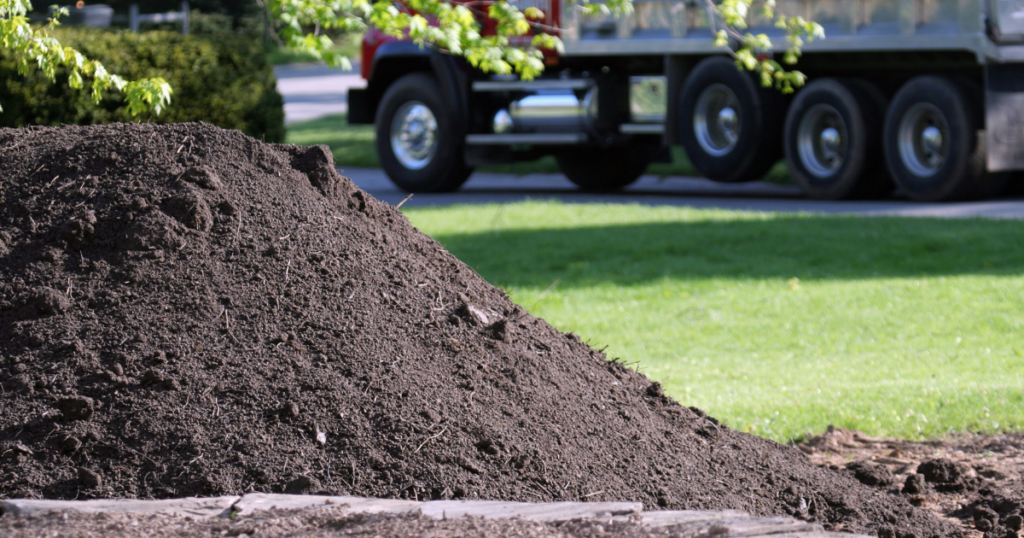
- Importing quality screened topsoil
- Regrading the yard
- Correcting drainage issues
- Seeding with premium grass varieties
While this approach requires a larger upfront investment, it creates the foundation for a lawn that will perform for years instead of constantly needing repairs.
Is This Common in New Construction?
Absolutely.
Many homeowners in newer neighborhoods are surprised to learn that the lawn installed by the builder was placed over soil that was never intended to support long-term turf health.
We frequently see this throughout growing communities like:
The good news is that these lawns can usually be restored with the right renovation plan.
Should You Renovate Instead of Starting Over?
That depends on the condition of your lawn.
If the grass is healthy but thin, overseeding may be all you need.
If the soil itself is the problem, complete lawn renovation often provides the best long-term value.
During a consultation, we’ll evaluate:
- Soil quality
- Drainage
- Sun exposure
- Existing turf
- Overall lawn health
Then we’ll recommend the approach that makes the most sense for your property.
Why Fall Is the Perfect Time for Lawn Renovation
Late summer and early fall provide ideal growing conditions for cool-season grasses in Iowa.
Warm soil temperatures combined with cooler air help new grass establish deep roots before winter arrives.
That’s why many of our lawn renovation projects are scheduled for August and September.
Build the Lawn You Wanted in the First Place
If you’ve spent years trying to fix a lawn that never seems to improve, the problem may be below the surface.
At Tebock’s Landscape, we help homeowners throughout Central Iowa rebuild struggling lawns with quality topsoil, proper grading, and professional lawn renovation services designed for long-term success.
Call 515-809-0690 today or contact us online to schedule a lawn evaluation.
Sometimes the honest answer is a restart with fresh sod instead of another season of fighting it. And once the lawn is healthy, keeping it alive through an Iowa summer is its own project.